
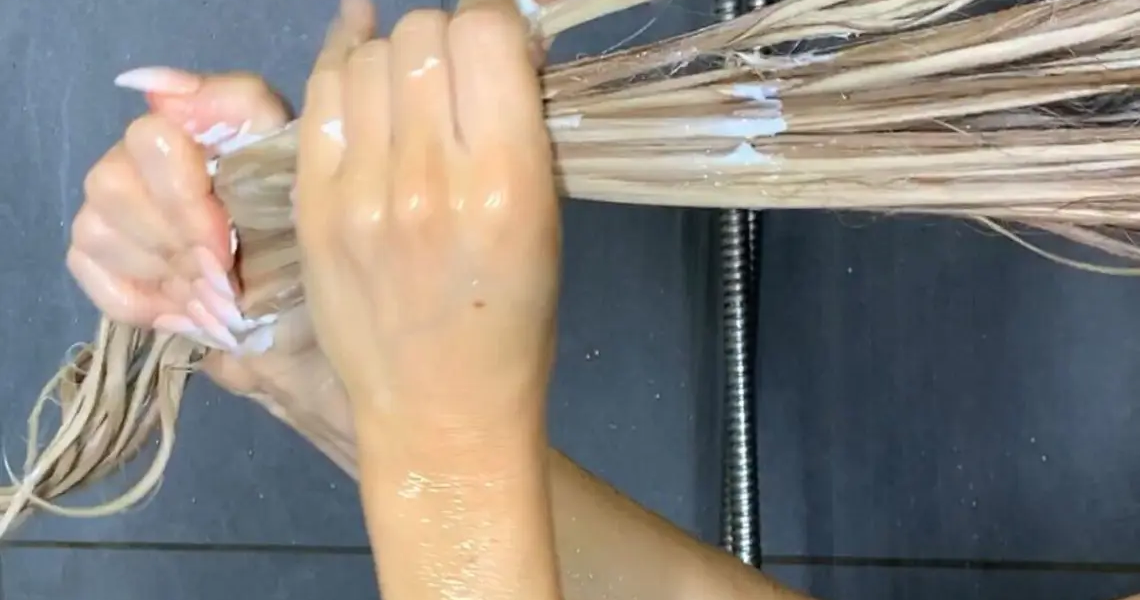
Damaged hair is something almost every woman deals with at some point — and it’s rarely the result of one single thing. Highlights, heat styling, tight hairstyles, chemical treatments, and even something as simple as rough towel-drying all chip away at your hair’s health over time. The result is hair that looks dull, feels rough, breaks easily, and refuses to cooperate no matter what you put on it.
The best hair care routine for damaged hair isn’t about buying the most expensive products on the shelf. It’s about understanding what your hair actually needs — moisture, protein, protection, and gentle handling — and delivering those things consistently through a routine that repairs the damage already done while preventing more from building up.
This guide walks you through 10 essential steps for the best hair care routine for damaged hair, including how to use hair masks correctly, which treatments work for which types of damage, and the daily habits that make the biggest difference in getting your hair back to a healthy, beautiful state.
First — How to Know If Your Hair Is Actually Damaged

Before diving into the routine, it helps to understand what damaged hair actually looks and feels like — because not all hair problems are damage-related, and the wrong routine can make things worse rather than better.
Signs your hair is damaged:
- Ends that split, fray, or look frayed even after a trim
- Hair that feels rough or straw-like to the touch when dry
- Excessive frizz that doesn’t respond to products
- Hair that stretches too much when wet and doesn’t spring back
- Increased breakage — noticing more hair on your brush or breaking mid-shaft rather than at the root
- Dull, flat appearance with no natural shine
- Color that fades unusually fast after dyeing
If several of these apply to you, the routine below is exactly what your hair needs. If your main concern is dryness without breakage, you likely have dry hair rather than damaged hair — and the dry hair remedies at home guide covers that specific scenario in detail.
The Best Hair Care Routine for Damaged Hair — Step by Step
Step 1: Start With a Gentle, Sulfate-Free Shampoo
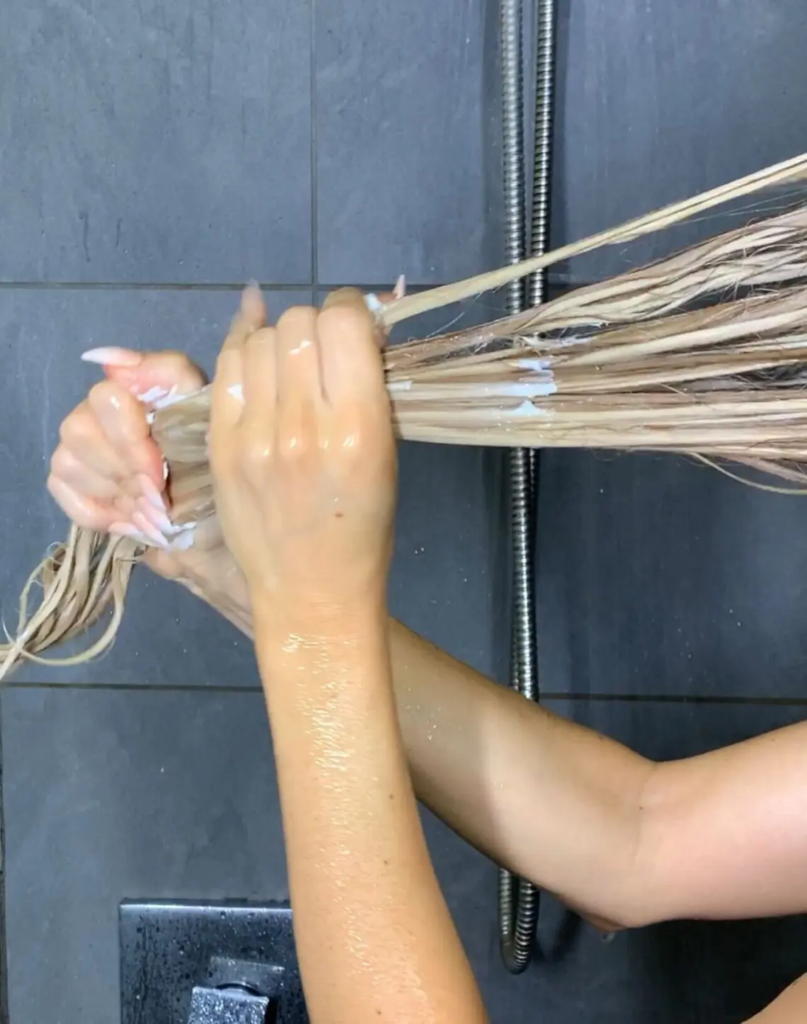
The foundation of the best hair care routine for damaged hair is a shampoo that cleans without making the damage worse. Conventional shampoos containing sulfates (sodium lauryl sulfate, sodium laureth sulfate) strip the hair of its natural moisture — the last thing damaged hair needs when it’s already dry and weakened.
Switch to a sulfate-free shampoo that cleanses gently and preserves the moisture your hair desperately needs. When shampooing, focus entirely on the scalp and let the rinse water carry the product through the lengths — never scrub damaged ends directly with shampoo.
How often: Damaged hair does best washed 2 times per week maximum. Over-washing accelerates dryness and breakage, so reducing wash frequency is genuinely one of the most impactful changes you can make immediately.
Pro tip: On non-wash days, use a lightweight dry shampoo at the roots only. Avoid applying it to your ends — dry shampoo on damaged ends makes them feel even more brittle.
Step 2: Always Condition After Every Wash
Skipping conditioner with damaged hair is simply not an option. Conditioner smooths the hair cuticle that damage has roughened, replenishes lost moisture, reduces friction between strands that leads to breakage, and makes the hair significantly more manageable.
Apply conditioner from the mid-lengths to ends only — never on the scalp. Use a wide-tooth comb to distribute it evenly through the hair, which also gently detangles without causing breakage. Leave it on for at least 3 to 5 minutes before rinsing with cool water. Cool water seals the cuticle and adds an immediate boost of shine.
Pro tip: If your hair is severely damaged, try co-washing (washing with conditioner only, no shampoo) on one of your wash days each week. This keeps the hair clean enough without the stripping effect of even a gentle shampoo.
Step 3: Use a Hair Mask Weekly — And Use It Correctly
A weekly hair mask is the single most impactful treatment in the best hair care routine for damaged hair. Unlike regular conditioner, which sits on the surface of the hair, a well-formulated hair mask penetrates the hair shaft and delivers moisture, protein, and nourishment where the damage actually lives.
How to use a hair mask correctly:
Step 1: Wash your hair with shampoo and conditioner as normal, then gently ring out the excess water. Hair masks penetrate better when the hair is damp rather than soaking wet — this step matters more than most people realize.
Step 2: Squeeze approximately a quarter-size amount into your palm. Use slightly more for longer or thicker hair, slightly less for short or fine hair.
Step 3: Apply from mid-lengths to ends, paying particular attention to the ends — the oldest, driest, and most damaged part of the strand. Use a wide-tooth comb to distribute the mask evenly so every strand is fully saturated.
Step 4: Cover with a shower cap and leave on for 10 to 20 minutes. The shower cap traps heat that helps the mask penetrate more deeply. If you’re in the shower, the steam does the same job.
Step 5: Rinse thoroughly with cool water until the water runs completely clear. Incomplete rinsing leads to product buildup that makes hair feel heavy and greasy — make sure every trace of the mask is removed.
Pro tip: For hair that’s severely dry or damaged, try an overnight hair mask treatment. Apply the mask as above, braid or twist your hair loosely, cover with a shower cap or wrap in a silk scarf, and rinse out in the morning. Overnight treatments produce noticeably more intense results than a standard 20-minute application.
Step 4: Know the Difference Between Moisture Masks and Protein Masks
Not all hair masks work the same way, and using the wrong type for your specific damage can actually make things worse. This is one of the most important distinctions in building the best hair care routine for damaged hair.
Moisture masks focus on hydrating the hair shaft and restoring softness and flexibility. They’re ideal for hair that feels dry, frizzy, or rough but still has reasonable elasticity. Most weekly hair masks fall into this category.
Protein masks (or bond-building treatments) rebuild the internal structure of the hair shaft by filling in gaps caused by chemical treatments, heat damage, or bleaching. They’re ideal for hair that feels mushy when wet, stretches excessively without springing back, or breaks easily mid-shaft.
How to tell which one your hair needs:
- Wet a strand and gently stretch it. If it stretches far and snaps without resistance — protein mask
- If it feels rough and dry but stretches and returns — moisture mask
- Alternate between the two once a month each for balanced repair
Recommended hair masks by damage type:
| Damage Type | What to Look For | Key Ingredients |
|---|---|---|
| Heat damage | Antioxidant repair + moisture | Rosehip oil, B vitamins, argan oil |
| Color/bleach damage | Bond-building + deep hydration | Amino acids, keratin, panthenol |
| Breakage and split ends | Protein + moisture balance | Hydrolyzed keratin, shea butter |
| Frizz and roughness | Cuticle smoothing | Argan oil, coconut oil, silicones |
| All-over dryness | Intense moisture | Hyaluronic acid, glycerin, oils |
Step 5: Apply Heat Protectant Every Single Time
Heat protectant is non-negotiable in the best hair care routine for damaged hair — and it needs to be applied every time you use any heat tool, without exception. Damaged hair is already structurally weaker than healthy hair, which means it’s significantly more vulnerable to additional heat damage. Every unprotected heat styling session makes the existing damage worse and sets your recovery back further.
Apply a heat protectant spray or cream to damp or dry hair before blow-drying, flat ironing, or curling. Make sure it’s evenly distributed from roots to ends.
And whenever possible, reduce your heat styling frequency. Embrace air-drying, heatless styling, and low-manipulation styles on the days between heat sessions. Your hair will recover noticeably faster when it’s getting consistent breaks from heat exposure.
For heatless style inspiration while your hair recovers, the hair trends 2026 women guide has plenty of beautiful low-heat options worth bookmarking.
Step 6: Be Extremely Gentle With Wet Hair
Damaged hair is most fragile when wet — the weakened protein structure becomes even more vulnerable when saturated with water, making it prone to snapping under far less tension than healthy hair can handle.
What to stop doing immediately:
- Rubbing wet hair with a regular bath towel (creates massive friction and breakage)
- Brushing with a regular bristle brush while wet
- Pulling a comb through tangles from root to end
What to do instead:
- Gently squeeze water from the hair using a microfiber towel or soft cotton t-shirt
- Detangle starting from the ends and working upward in small sections using a wide-tooth comb or a brush specifically designed for wet hair
- Apply a leave-in conditioner or detangling spray before combing for extra slip and protection
Step 7: Add a Hair Oil to Your Routine
Hair oils are one of the most underrated tools in the best hair care routine for damaged hair. While masks and conditioners restore moisture from inside the hair shaft, oils work on the surface — sealing the cuticle, locking in the moisture you’ve just added, and adding the shine that damaged hair loses.
How to use hair oil:
- Before heat styling: Apply a small amount to damp hair before blow-drying to protect against heat and add shine
- After styling: Warm 2 to 3 drops between your palms and smooth lightly over the surface of dry hair to add gloss and tame flyaways
- Overnight treatment: Apply a generous amount to the mid-lengths and ends, braid loosely, and leave overnight. Shampoo out in the morning for intensely restored softness
Best oils for damaged hair: Argan oil (lightweight, all hair types), jojoba oil (most similar to natural sebum), coconut oil (deep penetrating protein, best for thick hair), and castor oil (thicker, excellent for very dry ends).
Pro tip: Less is more with hair oil. Start with 2 to 3 drops and add more only if needed — too much oil makes hair look greasy rather than healthy and shiny.
Step 8: Protect Your Hair While You Sleep
Eight hours of friction against a cotton pillowcase every night is doing quiet but consistent damage to already-fragile hair. The cotton fabric catches and pulls at each strand as you move during sleep, creating frizz, tangles, and breakage that accumulate significantly over weeks and months.
Two changes make an immediate difference:
Switch to a silk or satin pillowcase. The smooth surface allows damaged strands to glide rather than catch, dramatically reducing overnight friction. This is one of the best passive investments in the best hair care routine for damaged hair because it works while you do nothing.
Protective nighttime styling: Put hair into a very loose braid or a soft bun secured with a satin scrunchie before bed. This minimizes the tangling and rubbing that cause breakage overnight. Never sleep with hair in a tight elastic.
Step 9: Get a Trim — and Keep Trimming
This step is one women resist most because it feels counterproductive — especially when you’re trying to grow your hair back to health. But trimming damaged ends regularly is essential, not optional.
Split ends don’t stay split. They travel upward along the hair shaft, causing breakage higher and higher until a much more significant amount needs to be removed. Getting small trims of a quarter to half an inch every 6 to 8 weeks (slightly more frequent than the standard 8-12 week schedule for healthy hair) keeps the damage from spreading while your hair recovers.
Think of it this way: you’re not losing length. You’re protecting the length you have while the healthy new growth from your roots catches up.
Step 10: Be Patient and Consistent

The final and most important step in the best hair care routine for damaged hair is patience. Hair doesn’t recover overnight — and the further down the damage goes, the longer it takes to see the full results of your new routine.
Most women following a consistent repair routine report:
- Weeks 1 to 3: Reduced frizz and improved manageability
- Month 1 to 2: Noticeably softer texture and less daily breakage
- Month 3 to 6: Visible improvement in shine and health
- Month 6 and beyond: Significant length retention as healthier hair grows in from the roots
The key is doing the right things consistently rather than looking for shortcuts. For the full picture of building long-term healthy hair habits, the complete hair care routine guide covers everything in detail.
Quick Reference: Weekly Routine for Damaged Hair
| Day | What to Do |
|---|---|
| Wash Day (2x week) | Sulfate-free shampoo → conditioner → hair mask (once a week) |
| Every Night | Loose braid + silk pillowcase |
| Before Heat Styling | Heat protectant always |
| Once a Week | Deep conditioning mask or overnight oil treatment |
| Every 6 to 8 Weeks | Trim at the salon |
Frequently Asked Questions
What is the best hair care routine for damaged hair at home? The most effective home routine combines a sulfate-free shampoo used 2 times per week, conditioner after every wash, a weekly hair mask alternating between moisture and protein focus, consistent heat protectant use, overnight oil treatments, and a silk pillowcase for sleep. Consistency over 3 to 6 months produces real, lasting results.
How long does it take for damaged hair to recover? Visible improvement typically begins within 4 to 6 weeks of consistent care. Significant recovery — softer texture, less breakage, improved shine — generally takes 3 to 6 months. Severely damaged hair may take longer, particularly if chemical services like bleaching are involved.
Can I repair damaged hair without cutting it? You can improve the health and appearance of damaged hair through conditioning and masking treatments, but split ends cannot be permanently repaired with products — they need to be trimmed. Products temporarily seal and smooth the damage, but the structural break remains until it’s cut off.
How often should I use a hair mask for damaged hair? Once a week is the standard recommendation for damaged hair. Alternate between a moisture-focused mask and a protein or bond-building treatment monthly for the most balanced results.
Is coconut oil good for damaged hair? Coconut oil is beneficial for many types of damaged hair because it’s one of the few oils that can actually penetrate the hair shaft rather than just coating the surface. However, it can cause protein overload in some hair types — if your hair feels stiff or more brittle after coconut oil, switch to a lighter oil like argan or jojoba.
What should I avoid with damaged hair? Avoid sulfate shampoos, daily heat styling without protectant, tight hairstyles, over-washing, rough towel-drying, brushing aggressively when wet, and chemical treatments until the hair has had time to recover.
Final Thoughts
The best hair care routine for damaged hair works because it addresses the root causes of damage — stripping, heat, friction, and neglect — and replaces them with consistent habits that restore moisture, strengthen the hair structure, and protect what’s there. None of the steps in this routine are complicated or expensive. They just need to be done consistently.
Start with the basics — gentle shampoo, proper conditioning, and a weekly mask — and add the other steps as they become habits. Your hair has a remarkable ability to recover when you give it what it needs.
For more hair care guidance, explore the how to grow hair faster guide and the full hair care routine for women on DailyJuggar. And follow us on Pinterest for daily hair inspiration, tips, and tutorials.
📌 Save this routine to Pinterest so you always have the best hair care routine for damaged hair when you need it!
Related: Dry Hair Remedies at Home | How to Grow Hair Faster | Hair Care Routine for Women | Hair Care Tips for Beginners