
Starting a proper hair care routine for the first time can feel surprisingly overwhelming. Walk into any beauty store and you’re immediately faced with dozens of shampoos, conditioners, treatments, oils, and tools — each one promising to transform your hair. If you’re new to all of this, knowing where to begin is genuinely confusing.
The good news? The best hair care tips for beginners are not complicated or expensive. Healthy, beautiful hair comes down to a handful of consistent habits done correctly — not a shelf full of products. Whether your hair is fine, thick, curly, straight, dry, or oily, the foundational principles are the same. Get these basics right and everything else becomes much easier.
This beginner’s guide breaks down everything you need to know — from how often to wash your hair and which products actually matter, to the daily habits that quietly make the biggest difference over time.
1. Know Your Hair Type First
Before you buy a single product or change a single habit, the most important of all hair care tips for beginners is this: understand what type of hair you actually have. Using the wrong products for your hair type is the number one reason beginners don’t see results — even when they’re doing everything else right.
Hair is generally categorized by two qualities: texture (straight, wavy, curly, or coily) and density (fine, medium, or thick). Knowing both helps you choose the right shampoo, conditioner, and styling products for your specific needs.
Quick hair type guide:
- Fine hair — individual strands are thin, hair loses volume easily, gets greasy quickly, and is easily weighed down by heavy products
- Medium hair — the most common type, holds styles reasonably well, and works with a wide range of products
- Thick hair — individual strands are wide, hair holds lots of volume, takes longer to dry, and benefits from richer, more moisturizing products
- Curly or coily hair — naturally drier than straight hair, needs more moisture, and responds best to products specifically designed for curl patterns
Once you know your hair type, every product decision becomes clearer. If you’re not sure where to start with your routine, the hair care routine for women guide on DailyJuggar breaks it down beautifully by hair type.
2. Stop Washing Your Hair Every Day

This is one of the most important hair care tips for beginners — and one that surprises most people. Daily hair washing strips the scalp of its natural oils (called sebum) before they have the chance to travel down the hair shaft and provide moisture and protection. The result is a dry, irritated scalp, brittle ends, and hair that paradoxically gets oilier faster because the scalp overproduces oil to compensate.
For most hair types, washing two to three times per week is the sweet spot. This keeps the scalp clean without disrupting its natural balance.
Washing frequency by hair type:
- Fine or oily hair: 3 times per week
- Normal hair: 2 to 3 times per week
- Thick, dry, or curly hair: 1 to 2 times per week
On non-wash days, use a small amount of dry shampoo at the roots only to absorb excess oil and add freshness without stripping the scalp. Within two to three weeks of reducing your wash frequency, most women notice significantly less oiliness — because the scalp has stopped overproducing oil to replace what was being stripped away daily.
3. Choose the Right Shampoo

Not all shampoos are created equal, and for beginners, choosing the wrong one can undermine every other good habit in your routine. The most important thing to look for — or avoid — is sulfates.
Sulfates (sodium lauryl sulfate, sodium laureth sulfate) are the harsh detergents that create the satisfying lather in most conventional shampoos. They clean effectively, but they’re far more aggressive than necessary for most hair types and strip the scalp of moisture alongside the dirt and oil you actually want to remove.
Switching to a sulfate-free shampoo is one of the simplest and highest-impact changes a beginner can make. Sulfate-free formulas clean the scalp gently and effectively without disrupting its natural oil balance — which means a healthier scalp environment, less dryness, and less breakage over time.
What to look for on the label:
- ✅ Sodium cocoyl isethionate (gentle cleanser)
- ✅ Decyl glucoside (plant-derived, very gentle)
- ❌ Sodium lauryl sulfate (too harsh for most hair)
- ❌ Sodium laureth sulfate (slightly gentler but still stripping)
Pro tip: When shampooing, focus entirely on the scalp — massage the shampoo into the roots with your fingertips and let the rinse water carry it through the lengths. Scrubbing shampoo into the mid-lengths and ends is unnecessary and drying.
4. Never Skip Conditioner
If shampoo is step one, conditioner is the step that most beginners either skip or do incorrectly — and it makes a huge difference. Conditioner replenishes the moisture that washing removes, smooths the hair cuticle, reduces frizz and tangles, and makes the hair significantly easier to manage and style.
The key rule beginners need to know: conditioner goes on the mid-lengths and ends only — never on the scalp. Applying conditioner to the scalp weighs the roots down and makes them greasy much faster than normal. The ends of your hair are the oldest, driest part of each strand and need the most moisture — that’s where conditioner belongs.
How to condition correctly:
- After shampooing and rinsing, gently squeeze excess water from the hair
- Apply conditioner from mid-lengths to ends
- Use a wide-tooth comb to distribute it evenly and detangle gently
- Leave on for 2 to 3 minutes (longer for dry or thick hair)
- Rinse thoroughly with cool water — cool water closes the hair cuticle and adds shine
Once a week, replace your regular conditioner with a deep conditioning treatment. This provides extra moisture and protein that regular conditioner can’t fully deliver, and it makes a noticeable difference in softness, shine, and manageability over time. For more detail on building a full routine around this, check out the expert hair care routine guide on DailyJuggar.
5. Always Use a Heat Protectant

If you use a hair dryer, flat iron, or curling wand — even occasionally — a heat protectant is non-negotiable. This is one of the hair care tips for beginners that gets skipped most often, and the damage that results is both real and cumulative.
Heat styling tools damage hair by breaking down the protein bonds within the hair shaft. A flat iron at high heat can reach temperatures of 400°F or more — far beyond what hair can withstand without protection. Over time, unprotected heat styling leads to split ends, dryness, breakage, and a dull, lifeless appearance that no conditioner can fully reverse.
A heat protectant creates a thermal barrier between your hair and the tool, significantly reducing the damage caused by the heat.
How to use it: Apply heat protectant spray or cream to damp or dry hair before any heat styling — not after. Make sure it’s evenly distributed from roots to ends, then style as normal.
Heat temperature guide for beginners:
- Fine hair: maximum 300°F / 150°C
- Normal hair: 300 to 350°F
- Thick or coarse hair: 350 to 380°F
Pro tip: Use the lowest temperature setting that achieves your desired result. Most women use far more heat than their hair actually needs.
6. Be Gentle When Your Hair Is Wet

Wet hair is at its most vulnerable. When hair is saturated with water, the hydrogen bonds within the hair shaft temporarily weaken, making each strand significantly more elastic and prone to breaking if pulled or handled roughly.
This means the way you treat your hair between washing and drying matters enormously — yet most beginners rush through this step without thinking about it.
What to avoid with wet hair:
- Rubbing vigorously with a towel — this creates frizz and causes breakage
- Brushing immediately with a regular bristle brush
- Pulling a comb through tangles from root to end
What to do instead:
- Gently squeeze (don’t rub) excess water from the hair using a microfiber towel or an old soft t-shirt
- Start detangling from the ends upward, working in small sections with a wide-tooth comb or a wet brush specifically designed for detangling
- Apply your leave-in conditioner or styling products before detangling for extra slip
7. Trim Your Hair Regularly

One of the most overlooked hair care tips for beginners is the importance of regular trims. A lot of women avoid trimming because they’re trying to grow their hair longer — but this is actually counterproductive.
Split ends that are left untreated don’t stay at the tip of the strand. They travel upward along the hair shaft, causing increasing breakage higher and higher up. By the time the damage becomes obvious, significantly more length needs to be removed than if the split ends had been trimmed when they first appeared.
Getting a trim of a quarter to half an inch every 8 to 12 weeks removes split ends while they’re still minimal, keeps your ends looking healthy and polished, and allows the length you’re growing to stay on your head rather than breaking off.
For everything you need to know about choosing the right haircut alongside your care routine, the best haircut for round face guide is a great starting point.
8. Handle Dry Hair With Extra Care
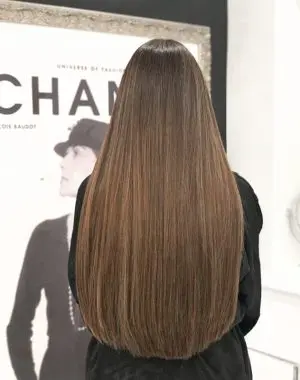
Dry, brittle hair is one of the most common concerns beginners bring to the conversation — and the good news is that it’s almost always fixable with the right adjustments. Dry hair typically results from a combination of over-washing, heat damage, sulfate use, and not conditioning frequently or thoroughly enough.
The fix involves addressing all of these causes together rather than just treating the symptom with heavy products. Switch to a sulfate-free shampoo, reduce wash frequency, deep condition weekly, protect from heat, and give it four to six weeks to respond.
For targeted solutions that work specifically for dry hair, the dry hair remedies at home guide on DailyJuggar covers the most effective treatments in detail — including several that use ingredients you likely already have in your kitchen.
9. Protect Your Hair While You Sleep
Most beginners don’t think about what happens to their hair during the eight hours they spend sleeping — but it matters more than you’d expect. Cotton pillowcases create friction against the hair as you move during sleep, causing frizz, tangles, and over time, real breakage that adds up significantly.
Two simple changes make a big difference:
Switch to a silk or satin pillowcase. The smooth surface allows hair to glide rather than catching and pulling, which means dramatically less friction damage and frizz by morning. It’s one of the best passive hair care investments a beginner can make.
Loosely braid or twist your hair before bed. This keeps the hair contained and prevents the tangling that leads to breakage during sleep. Use a satin scrunchie — never a tight elastic — to secure it.
10. Feed Your Hair From the Inside
No topical product can fully compensate for what’s missing from your diet. Hair is made of protein (specifically keratin), and its growth and strength depend directly on the nutrients your body has available to build and maintain it.
The most important nutrients for hair health are protein, biotin, iron, omega-3 fatty acids, and vitamin D. A diet consistently low in any of these will show up in the hair — through thinning, dullness, slow growth, or increased shedding — often before it shows up anywhere else.
Best foods for healthy hair:
- Protein: Eggs, chicken, fish, lentils, Greek yogurt
- Biotin: Egg yolks, almonds, spinach, sweet potatoes
- Iron: Spinach, red meat, lentils, pumpkin seeds
- Omega-3: Salmon, chia seeds, walnuts, flaxseeds
- Vitamin D: Fatty fish, mushrooms, fortified dairy
For a full guide on how nutrition connects to hair growth specifically, the how to grow hair faster article covers it in detail.
11. Avoid These Common Beginner Mistakes
Understanding what not to do is just as valuable as knowing what to do. These are the most common mistakes beginners make — and the easiest ones to correct.
| Common Mistake | Why It’s Harmful | The Fix |
|---|---|---|
| Washing hair daily | Strips natural oils, causes dryness | Wash 2-3 times per week |
| Skipping conditioner | Hair becomes dry, tangled, and brittle | Condition every wash |
| Rubbing hair dry with a towel | Causes frizz and breakage | Squeeze gently, use microfiber |
| Brushing wet hair aggressively | Wet hair breaks easily | Use wide-tooth comb, start at ends |
| Heat styling without protectant | Protein bonds break down, damage accumulates | Always apply heat protectant first |
| Tight ponytails every day | Causes hairline breakage and traction alopecia | Use loose styles with satin scrunchies |
| Skipping trims | Split ends travel up and cause more breakage | Trim every 8-12 weeks |
| Using heavy products on fine hair | Weighs hair down and makes roots greasy | Use lightweight formulas |
12. Build a Simple Routine and Stick to It
The single most important thing about any hair care routine — especially for beginners — is consistency. A simple routine done consistently every week will always produce better results than an elaborate routine done sporadically.
Here’s a beginner-friendly weekly routine to start with:
Every wash day (2-3 times per week):
- Scalp massage for 3 to 5 minutes before washing to stimulate circulation
- Sulfate-free shampoo focused on the scalp
- Conditioner on mid-lengths and ends, left on for 2 to 3 minutes
- Cool water rinse to seal the cuticle
- Gentle squeeze dry with a microfiber towel
- Heat protectant before any heat styling
Once a week:
- Deep conditioning treatment (leave on for 20 to 30 minutes before rinsing)
Every night:
- Loose braid or bun secured with a satin scrunchie
- Silk or satin pillowcase
Every 8 to 12 weeks:
- Trim at the salon to remove split ends
For a more detailed version of this routine tailored to specific hair types, the complete hair care routine guide is the perfect next step.
Frequently Asked Questions: Hair Care Tips for Beginners
What are the most important hair care tips for beginners to start with? The three most impactful starting points are: switching to a sulfate-free shampoo, reducing wash frequency to two to three times per week, and never skipping conditioner. These three changes alone produce visible improvements in most hair types within a few weeks.
How do beginners know which products are right for their hair? Start by identifying your hair type — fine, medium, or thick, and straight, wavy, curly, or coily. Products are formulated for specific needs: fine hair needs lightweight formulas that don’t weigh it down, while thick or curly hair needs richer, more moisturizing options. When in doubt, start simple and add products gradually.
Can beginners damage their hair by doing too much? Yes. Over-washing, over-styling with heat, applying too many products, and using treatments too frequently can all cause damage or buildup. A simple, consistent routine is almost always better than an overcomplicated one.
How long does it take to see results from a new hair care routine? Most women notice initial improvements — less frizz, better manageability, reduced shedding — within two to four weeks. More significant changes in texture, shine, and length take three to six months of consistent care.
Is it necessary to use expensive products to have healthy hair? Absolutely not. The most important factors in hair health are routine consistency, technique, and lifestyle habits — not product price. Many affordable sulfate-free shampoos and conditioners perform just as well as expensive alternatives.
What’s the best first step for someone with damaged hair? Start by identifying and eliminating the source of damage — whether it’s heat styling, tight hairstyles, over-washing, or chemical treatments. Then begin a routine that prioritizes moisture restoration: sulfate-free washing, weekly deep conditioning, and reduced heat styling with a protectant.
Final Thoughts
The best hair care tips for beginners are always the simple ones done consistently. You don’t need twenty products, an elaborate routine, or a significant budget to have genuinely healthy hair. You need the right shampoo used the right way, conditioner applied correctly, heat protection whenever you style, gentle handling when your hair is wet, and a trim every couple of months.
Give any new routine at least six to eight weeks before evaluating whether it’s working. Hair responds slowly to change — but it always responds when the habits are right.
Follow DailyJuggar on Pinterest for daily hair inspiration and tutorials, and join the conversation on Facebook where we share the latest tips and trends for every hair type.
📌 Save this beginner’s hair care guide to Pinterest so you always have it when you need it!
Related: Dry Hair Remedies at Home | How to Grow Hair Faster | Hair Care Routine for Women | Best Haircut for Round Face