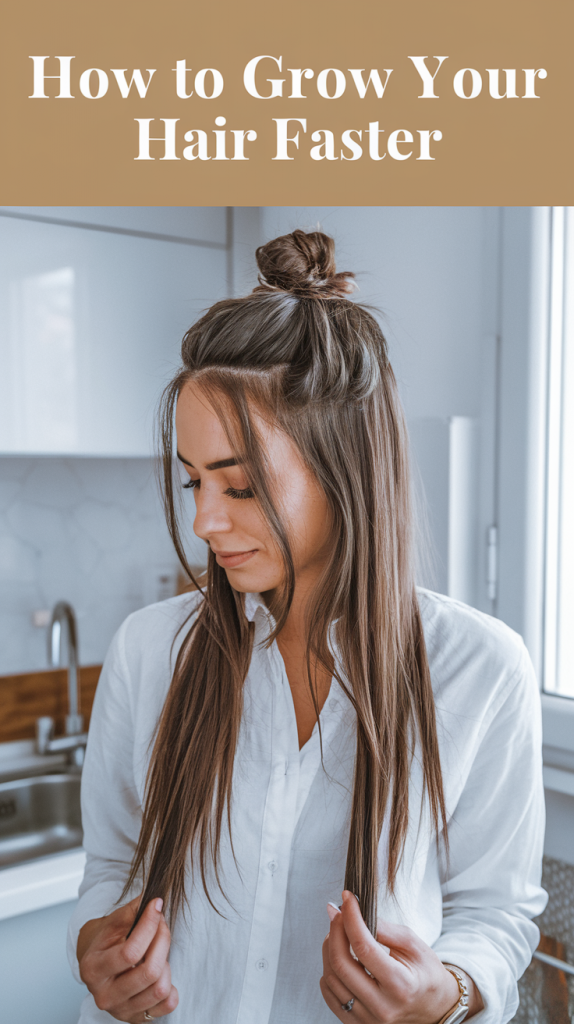
If you’ve ever stood in front of the mirror wishing your hair would just grow already, you’re not alone. Learning how to grow hair faster is one of the most searched hair care questions in the world — and for good reason. Whether you’re recovering from a bad haircut, trying to reach a new length milestone, or simply want thicker, healthier hair, the journey can feel slow and discouraging when you’re not seeing progress.
Here’s the truth: you cannot change your genetic hair growth rate, which averages around half an inch per month for most women. But what you absolutely can do is create the ideal conditions for your hair to grow at its full potential — consistently, without breakage, and with noticeably better thickness and shine. Knowing how to grow hair faster is less about magic products and more about a combination of smart nutrition, proper scalp care, protective habits, and a few evidence-backed treatments that genuinely make a difference.
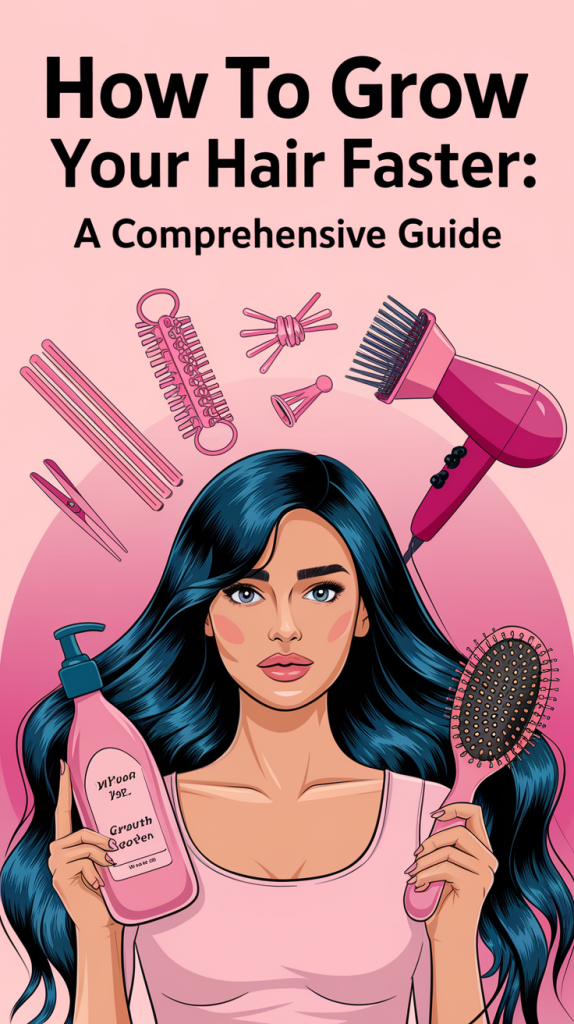
This guide covers 15 of the most effective and practical methods for faster hair growth in 2026 — everything from what to eat and how to care for your scalp, to the lifestyle changes that most women overlook completely. Let’s get into it.
Understanding How Hair Actually Grows
Before diving into the tips, a quick understanding of the hair growth cycle helps you set realistic expectations and make smarter decisions about your routine.
Hair grows in four distinct phases. The anagen phase is the active growth period, lasting anywhere from two to seven years depending on your genetics — this is the phase you want to extend and support. The catagen phase is a brief two-week transition where growth slows and stops. The telogen phase is a resting period lasting around three months where the hair stays in place before eventually shedding. The exogen phase is when the hair falls out and the follicle prepares to begin the cycle again.
At any given time, roughly 85 to 90 percent of your hair is in the anagen (growth) phase. Everything you do to support your body — through nutrition, scalp health, stress management, and protective care — directly influences how well your follicles perform during this critical growing period. That’s where all 15 of the following tips come in.
1. Prioritize Protein in Your Diet
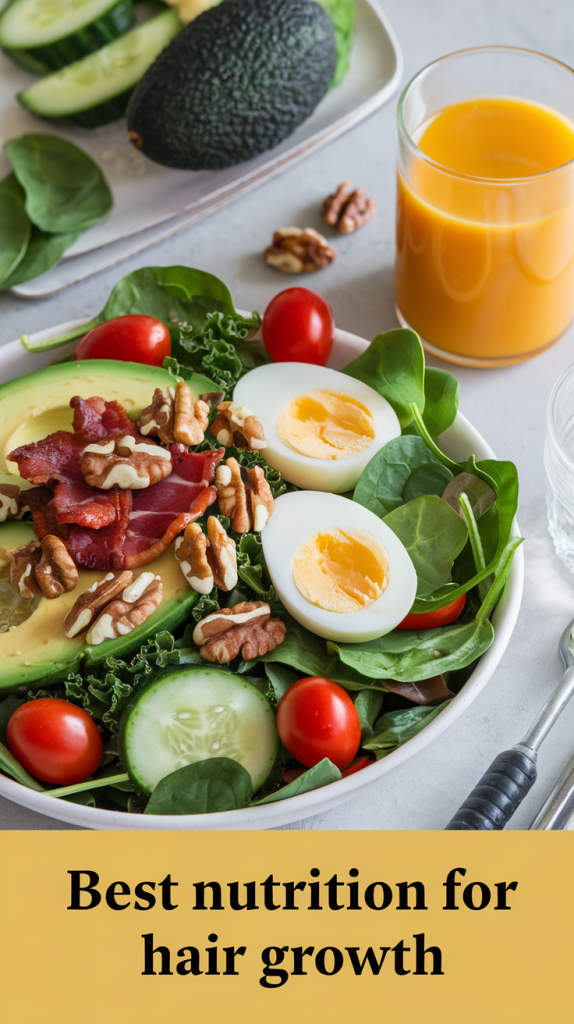
Hair is made almost entirely of a protein called keratin. If your diet is consistently low in protein, your body will deprioritize hair growth in favor of more essential biological functions — and your hair will be the first to show it through thinning, dullness, and increased shedding.
If you want to know how to grow hair faster through nutrition, increasing your daily protein intake is the single most impactful dietary change you can make. Aim for at least 50 to 70 grams of protein per day from high-quality sources. Eggs are particularly valuable because they contain both protein and biotin — two of the most hair-essential nutrients available. Chicken, lentils, Greek yogurt, and fish are excellent additions to a hair-growth-focused diet.
What to eat: Eggs, chicken breast, salmon, lentils, Greek yogurt, quinoa, cottage cheese
Pro tip: If you find it difficult to hit your protein target through food alone, a clean whey or plant-based protein supplement added to a morning smoothie is a convenient and effective solution.
2. Add Omega-3 Fatty Acids to Your Routine

Omega-3 fatty acids are among the most powerful nutrients for hair health, yet most women don’t consume nearly enough of them. These essential fats nourish the hair follicles directly, hydrate both the scalp and the hair shaft, reduce scalp inflammation that can inhibit growth, and give the hair a natural shine and softness that no product can fully replicate.
The most hair-beneficial omega-3 sources are fatty fish like salmon, sardines, and mackerel. For plant-based alternatives, chia seeds, flaxseeds, and walnuts are excellent choices. If dietary sources are difficult to incorporate consistently, a high-quality fish oil or algae-based omega-3 supplement (look for EPA and DHA content on the label) is worth adding to your daily routine.
What to eat: Salmon, sardines, mackerel, chia seeds, flaxseeds, walnuts, hemp seeds
Pro tip: A consistent intake of omega-3s over eight to twelve weeks produces visible improvements in hair texture, shine, and reduced breakage — results that no topical product can match because they’re coming from inside the body.
3. Master the Scalp Massage
If there’s one habit that’s genuinely underrated in the conversation about how to grow hair faster, it’s the daily scalp massage. Research has found that consistent scalp massage over a 24-week period produced measurable increases in hair thickness — the mechanical stimulation appears to activate the hair follicles and improve blood circulation to the scalp, delivering more oxygen and nutrients directly to the roots.
You don’t need a special tool or product to do this effectively. Use the pads of your fingertips (never your nails) and apply firm but gentle circular pressure across your entire scalp for four to five minutes daily. You can do this on dry hair, on damp hair before shampooing, or with a hair oil during your wash routine.
How to do it: Start at the hairline, work back toward the crown, then down toward the nape of the neck. Use small, firm circles rather than scratching or rubbing motions.
Pro tip: Adding a few drops of rosemary essential oil to a carrier oil like jojoba or coconut oil before your scalp massage enhances the circulation-stimulating effect. Rosemary oil has shown promise in studies for supporting hair density — dilute it to about 2 to 3 percent (roughly 6 drops per tablespoon of carrier oil) before applying directly to the scalp.
4. Switch to a Sulfate-Free Shampoo

Most conventional shampoos contain sulfates — the harsh detergents responsible for that satisfying lather. The problem is that sulfates strip the scalp of its natural oils far more aggressively than necessary, leaving both the scalp and the hair shaft dry, weakened, and prone to breakage. Over time, this cycle of stripping and dryness significantly undermines your hair growth efforts.
Switching to a sulfate-free shampoo is one of the simplest and most impactful changes you can make in your hair care routine. Sulfate-free formulas clean effectively without disrupting the scalp’s natural oil balance, which keeps the follicle environment healthier and the hair shaft more resilient against breakage.
What to look for: Shampoos labeled “sulfate-free” or formulas listing sodium cocoyl isethionate or decyl glucoside (gentle cleansers) rather than sodium lauryl sulfate or sodium laureth sulfate.
Pro tip: Pair your sulfate-free shampoo with a weekly scalp-focused treatment — a gentle exfoliating scalp scrub used once a week removes product buildup and dead skin cells that can clog follicles and slow growth.
5. Don’t Overwash Your Hair

How often you wash your hair matters more than most women realize. Washing daily — or even every other day — strips the scalp of its natural sebum before it has the chance to travel down the hair shaft and provide moisture and protection. The result is a dry, irritated scalp and hair that’s more brittle and prone to breakage than it needs to be.
For most hair types, washing two to three times per week is the sweet spot. This frequency keeps the scalp clean without over-stripping it. Fine or oily hair types may need slightly more frequent washing, while thick, dry, or curly hair types often do best with once-a-week washing supplemented by co-washing (conditioner-only washing) on additional days.
Washing frequency guide:
- Fine or oily hair: 3 times per week
- Normal hair: 2 to 3 times per week
- Thick, dry, or curly hair: 1 to 2 times per week
Pro tip: On non-wash days, use a lightweight dry shampoo at the roots only to absorb excess oil without disrupting the scalp’s natural environment further down the hair shaft.
6. Use a Deep Conditioning Treatment Weekly
Length retention — keeping the hair you grow rather than losing it to breakage — is just as important as the rate of growth itself. A deep conditioning treatment applied once a week replenishes the moisture and protein that daily styling, environmental exposure, and washing deplete from the hair shaft.
Look for deep conditioners that contain hydrolyzed keratin, argan oil, shea butter, or panthenol. Apply to clean, damp hair from mid-lengths to ends (not the scalp), cover with a shower cap, and leave for 20 to 30 minutes before rinsing. The heat generated under the shower cap helps the conditioning ingredients penetrate the hair shaft more deeply.
Best ingredients to look for: Hydrolyzed keratin, argan oil, shea butter, panthenol, amino acids, coconut oil
Pro tip: Once a month, do a protein treatment specifically rather than a moisturizing treatment. Signs that your hair needs protein include elasticity loss (hair stretches and doesn’t spring back), mushy texture when wet, or increased breakage on otherwise healthy hair.
7. Protect Your Hair While You Sleep

Eight hours of your hair rubbing against a cotton pillowcase every night adds up to a significant amount of friction-related breakage over time — and most women don’t realize this until they start making changes and see the difference immediately. This is one of the most underrated tips in the how to grow hair faster conversation.
Switching to a silk or satin pillowcase reduces the friction your hair experiences during sleep dramatically. The smooth surface allows the hair to glide rather than catching and pulling, which means significantly less breakage and frizz by morning. Alternatively, wrapping your hair loosely in a silk scarf or bonnet before bed achieves the same result.
Additional sleep protection tips:
- Loosely braid or twist hair before bed to minimize tangling
- Never sleep with hair in tight elastics or clips
- Use a satin scrunchie rather than a regular hair tie if you prefer to secure your hair at night
Pro tip: Silk pillowcases also benefit your skin by reducing the moisture absorption that cotton pillowcases cause — making the switch a genuine two-for-one investment for your overall beauty routine.
8. Minimize Heat Styling

Heat is one of the most significant contributors to hair breakage, and breakage is the enemy of length. Every time you apply a flat iron at 400°F or curl with a curling wand without heat protection, you’re weakening the protein bonds within the hair shaft — making it more prone to snapping before it ever reaches the length you’re working toward.
If you’re serious about how to grow hair faster, reducing your heat styling frequency is non-negotiable. Aim to heat style no more than two to three times per week at most, always with a heat protectant applied to damp or dry hair beforehand, and use the lowest effective temperature setting rather than the highest.
Heat temperature guide:
- Fine hair: maximum 300°F / 150°C
- Normal hair: 300 to 350°F / 150 to 175°C
- Thick or coarse hair: 350 to 380°F / 175 to 193°C
Pro tip: Embrace heatless styling on your off days. Heatless curls, braids, and buns have become genuinely beautiful styling options in 2026 — check out the hair trends 2026 women guide on DailyJuggar for styles that look stunning without any heat at all.
9. Avoid Tight Hairstyles

Consistently wearing your hair in tight ponytails, slicked-back buns, or tightly wound braids creates a type of hair loss called traction alopecia — gradual, progressive hair loss caused by sustained tension on the follicles. The hair loss typically starts at the hairline and temples, where the tension is most concentrated, and can become permanent if the tight styling continues long-term.
Switching to looser hairstyles is one of the most impactful protective changes you can make for both hair retention and growth. Loose braids, soft buns secured with satin scrunchies, low ponytails with minimal tension, and natural down styles all allow the follicles to function without the pressure that tight styles create.
Loose style alternatives:
- Low loose ponytail with a satin scrunchie
- Soft braids or twists
- Loose low bun with bobby pins rather than tight elastics
- Half-up, half-down styles with minimal tension
Pro tip: If you notice consistent soreness at the hairline after wearing a style, that’s your scalp telling you the tension is too high. Adjust immediately — the follicles are under stress.Avoid Tight Hairstyles
10. Take Care of Your Biotin Intake

Biotin — also known as vitamin B7 — is one of the most well-known nutrients in the how to grow hair faster conversation, and for good reason. Biotin plays a direct role in the production of keratin (the protein that makes up hair), and deficiency in biotin is genuinely associated with hair thinning and loss.
Most women get adequate biotin from a balanced diet that includes eggs, nuts, seeds, and leafy vegetables. However, if your diet is restrictive or you’re experiencing hair thinning, a biotin supplement in the range of 2,500 to 5,000 mcg per day is generally considered safe and well-tolerated. Always consult your doctor before starting any supplement, particularly if you take other medications.
Dietary biotin sources: Egg yolks, almonds, walnuts, sunflower seeds, sweet potatoes, spinach, broccoli
Pro tip: Biotin supplements can occasionally interfere with certain lab test results, particularly thyroid function tests. If you have upcoming bloodwork, inform your doctor that you’re taking biotin so results can be interpreted accurately.
11. Keep Your Iron Levels in Check
Iron deficiency is one of the most common and most overlooked causes of hair loss and slow hair growth in women — particularly women of reproductive age who experience monthly blood loss. Iron is essential for producing hemoglobin, which carries oxygen to the hair follicles. When iron levels drop, the follicles are effectively starved of the oxygen they need to support active growth.
If you’ve been noticing increased shedding alongside fatigue, pale skin, or cold hands and feet, low iron is worth investigating with a simple blood test. Your doctor can check your ferritin levels (stored iron) — which need to be above 70 ng/mL for optimal hair health, not just within the broad “normal” range.
Iron-rich foods: Spinach, red meat, lentils, kidney beans, tofu, fortified cereals, pumpkin seeds
Pro tip: Pair iron-rich foods with vitamin C sources at the same meal — the vitamin C significantly enhances iron absorption. A squeeze of lemon on spinach or a glass of orange juice with a lentil dish makes a real difference in how much iron your body actually absorbs.
12. Manage Stress Consistently
Stress-related hair loss — known as telogen effluvium — is a very real and very common phenomenon. Significant physical or emotional stress causes a disproportionate number of hair follicles to shift from the growth phase into the resting phase simultaneously, resulting in noticeable diffuse shedding two to three months after the stressful event.
Managing stress is therefore a genuine hair growth strategy, not just general wellness advice. Regular physical exercise, quality sleep of seven to nine hours per night, mindfulness practices like meditation or journaling, and consistent social connection all contribute to lower cortisol levels — creating a hormonal environment that supports rather than disrupts the hair growth cycle.
Stress management practices that support hair growth:
- 30 minutes of moderate exercise daily
- 7 to 9 hours of sleep per night
- Daily mindfulness or meditation practice
- Limiting caffeine after 2pm to support sleep quality
Pro tip: If you’ve experienced a period of intense stress and notice increased shedding a few months later, try not to panic — the shedding is temporary and growth typically resumes once the stressor is removed and the body rebalances.
13. Try Rosemary Oil for Scalp Health
Rosemary oil has emerged as one of the most evidence-supported natural treatments for hair growth, and its popularity in 2026 is well-deserved. A clinical study comparing rosemary oil to minoxidil (the active ingredient in Rogaine) found comparable results in hair density after six months of consistent use — a remarkable finding for a completely natural ingredient.
Rosemary oil works by improving blood circulation to the scalp and inhibiting the binding of DHT (dihydrotestosterone) to scalp receptors — a process that contributes to hair follicle miniaturization and hair loss. It’s inexpensive, widely available, and well-tolerated by most scalp types.
How to use: Mix 5 to 6 drops of rosemary essential oil into one tablespoon of jojoba or coconut carrier oil. Massage into the scalp for 5 minutes, leave on for at least 30 minutes (or overnight for best results), then shampoo out. Use 2 to 3 times per week consistently.
Pro tip: Consistency is everything with rosemary oil — most studies showing measurable results used it consistently for a minimum of three to six months. Don’t expect overnight results, but do expect gradual, real improvement with regular use.
14. Get Regular Trims (Yes, Really)
This one confuses people — how can cutting your hair help it grow? The answer is that trims don’t make your hair grow faster from the root. What they do is remove split ends before they travel up the hair shaft and cause breakage higher up the strand, costing you the length you’ve been working to grow.
A split end that’s left untreated doesn’t stay at the end — it continues splitting upward, eventually requiring a much larger cut to remove the damage. Getting a trim of a quarter inch to half an inch every eight to twelve weeks removes the damage while it’s minimal, keeping your ends healthy and allowing the length you’ve grown to stay on your head rather than breaking off.
Trimming frequency guide:
- Chemically treated or heat-styled hair: every 6 to 8 weeks
- Normal hair: every 8 to 12 weeks
- Protective styles: every 12 to 16 weeks
Pro tip: Ask your stylist for a “dusting” rather than a full trim — a dusting removes only the very tips of damaged strands without taking off significant length, keeping your ends fresh between regular trims.
15. Consider Advanced Treatments for Stubborn Cases
If you’ve implemented the nutritional and lifestyle changes in this guide consistently for three to six months and still aren’t seeing the growth results you’re looking for, it may be worth exploring more advanced clinical options with a dermatologist.
Minoxidil (topical, available over-the-counter in 2% and 5% strengths) is the most widely researched hair growth treatment available and is FDA-approved for use by women. It works by extending the anagen (growth) phase of the hair cycle and increasing blood flow to the follicles.
PRP (Platelet-Rich Plasma) therapy involves drawing a small amount of your own blood, processing it to concentrate the growth factors, and injecting it into the scalp. It’s a more intensive treatment typically performed by dermatologists or trichologists, and results from clinical studies have been promising for certain types of hair loss.
Low-level laser therapy (LLLT) devices — available as helmet-style devices, laser combs, and caps — use red light wavelengths to stimulate follicle activity. The evidence base for LLLT is growing, and several FDA-cleared devices are available for home use.
Pro tip: Before pursuing any advanced treatment, get a full blood panel including ferritin, vitamin D, thyroid hormones, and a complete blood count. Many cases of slow hair growth or excessive shedding have a straightforward nutritional or hormonal cause that’s completely addressable without clinical intervention.
Key Nutrients for Hair Growth — Quick Reference
| Nutrient | What It Does | Best Sources |
|---|---|---|
| Protein | Builds keratin, the main hair component | Eggs, chicken, lentils, fish |
| Biotin (B7) | Supports keratin production | Egg yolks, almonds, spinach |
| Omega-3 | Nourishes follicles, adds shine | Salmon, chia seeds, walnuts |
| Iron | Carries oxygen to follicles | Spinach, red meat, lentils |
| Vitamin D | Activates hair follicles | Fatty fish, mushrooms, fortified foods |
| Zinc | Repairs and maintains follicle health | Pumpkin seeds, oysters, beef |
| Vitamin E | Antioxidant scalp protection | Sunflower seeds, almonds, avocado |
Common Hair Damage Habits — And How to Fix Them
| Bad Habit | The Problem | The Fix |
|---|---|---|
| Heat styling daily | Weakens protein bonds, causes breakage | Maximum 2-3x per week with heat protectant |
| Tight ponytails | Creates traction alopecia at hairline | Switch to loose styles with satin scrunchies |
| Washing daily | Strips scalp of natural oils | Wash 2-3x per week maximum |
| Cotton pillowcase | Friction breakage during sleep | Switch to silk or satin |
| Skipping trims | Split ends travel up and break | Trim every 8-12 weeks |
| Chemical treatments back-to-back | Structural damage and severe breakage | Space sessions 8+ weeks apart, deep condition |
How Long Will It Take to See Results?
This is the most important question to answer honestly. Hair grows approximately half an inch per month — which means six inches of new growth takes roughly a year under ideal conditions. You cannot significantly accelerate the rate beyond your genetic maximum, but you absolutely can ensure that your hair is growing at its full potential and that the growth you achieve is being retained rather than broken off.
Most women who implement the habits in this guide consistently report:
- Weeks 2 to 4: Reduced shedding and improved scalp health
- Months 1 to 2: Noticeably healthier texture and less breakage
- Months 3 to 6: Visible length gains with improved thickness and shine
- Month 6 and beyond: Significant length retention and overall hair transformation
The key word in all of this is consistency. One good week of eating well and massaging your scalp won’t produce results — but six months of sustained good habits absolutely will.
Frequently Asked Questions: How to Grow Hair Faster
Does hair really grow faster with specific products? No product can make your hair grow faster at the follicle level — growth rate is determined biologically. However, products that support scalp health, reduce breakage, and maintain moisture help you retain the length you grow, which is just as important as the growth rate itself.
How to grow hair faster if you have thin or fine hair? Fine hair benefits enormously from protein treatments, gentle sulfate-free shampoos, and avoiding heat styling. Scalp massages are particularly beneficial because they stimulate the follicles that produce fine strands. Biotin and iron levels are also worth checking, as deficiencies show up especially clearly in fine hair.
Is it true that cutting hair makes it grow faster? No — cutting hair doesn’t affect the rate of growth at the root. Regular trims do, however, prevent split ends from causing breakage higher up the strand, which means more of the hair you grow actually stays on your head.
What vitamins should I take to grow hair faster? Biotin, vitamin D, iron (if deficient), and omega-3 fatty acids are the most evidence-supported supplements for hair growth. Always consult your doctor before starting supplements, particularly for iron, which can cause issues at excessive doses.
How to grow hair faster naturally without products? Scalp massage, a protein and nutrient-rich diet, protective styling, silk pillowcases, stress management, and adequate sleep are all completely product-free strategies that have genuine, well-supported effects on hair growth and retention.
Can stress really stop hair from growing? Yes. Significant stress causes a condition called telogen effluvium, where follicles shift prematurely into the resting phase, resulting in diffuse shedding two to three months after the stressful event. Managing stress consistently is a genuine hair growth strategy with real scientific support behind it.
Final Thoughts
Learning how to grow hair faster isn’t about finding one miracle product or trick — it’s about creating consistent conditions that allow your hair to do what it’s biologically designed to do: grow. Nourish your body with the right nutrients, treat your scalp with care, protect your strands from unnecessary damage, and manage the lifestyle factors that undermine your hair’s natural growth cycle.
Every woman’s hair responds differently to different approaches, so be patient with the process and pay attention to what your specific hair is telling you. The results of consistent, intelligent hair care are always worth the effort — and they show up in ways that go far beyond just length.
For more hair inspiration while you grow, explore the latest hair trends for 2026 and start planning the style you’ll be rocking when you hit your length goal.
Further Reading:
- American Academy of Dermatology — Hair Loss — Expert guidance on hair loss causes and treatments
- Healthline — Rosemary Oil for Hair Growth — Research-backed overview of rosemary oil benefits
📌 Pin this guide to save all 15 tips on how to grow hair faster — come back to it every time you need a reminder of what actually works!
Related: Hair Trends 2026 | Hair Trends 2026 Women | Trending Haircuts 2026 | Hair Color Trends 2026