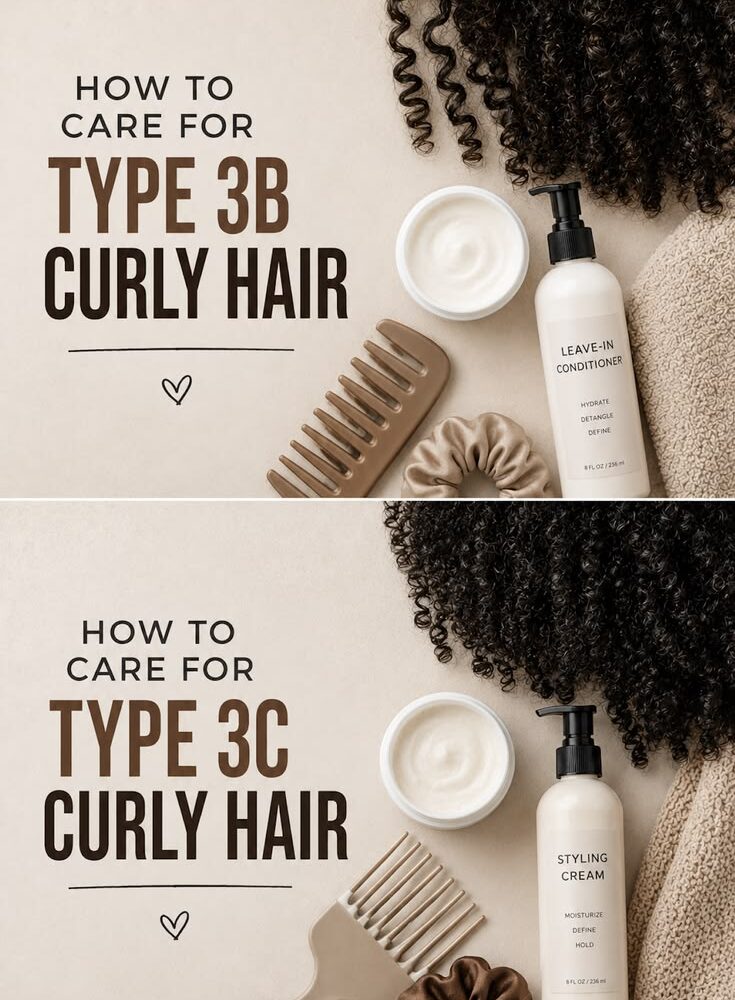
A great hair care routine for women is one of the most genuinely worthwhile investments you can make in yourself — and yet it is also one of the most consistently misunderstood. Most women either over-complicate it with products they do not need or under-invest by assuming that washing and occasionally conditioning is enough. The truth, as it usually is, sits somewhere between those two extremes.
The good news is that building an effective hair care routine for women does not require a bathroom shelf full of expensive products or hours of weekly styling time. It requires understanding your specific hair type, choosing the right products for that type, and applying a handful of consistently good habits. Do those things well, and healthy, shiny, strong hair follows — regardless of whether your hair is straight, curly, fine, thick, chemically treated, or completely natural.
This guide covers 13 expert-recommended steps that form the foundation of the best hair care routine for women in 2026. Whether you are starting completely from scratch or refining what you already do, these are the principles that genuinely move the needle on hair health.
Identify Your Hair Type and Specific Needs

Every effective hair care routine for women starts in the same place: understanding what type of hair you actually have. This sounds obvious, but it is genuinely the step most women skip — and skipping it means spending money on products that do not work for your hair, washing too often or not often enough, and wondering why your hair never quite looks the way you want it to.
Hair type falls along several dimensions, and each one affects your routine differently.
Hair texture — whether your hair is straight, wavy, curly, or coily — determines your hair’s relationship with moisture. Straight hair allows natural scalp oils to travel easily down the shaft, which means it tends to get greasy more quickly. Wavy hair often has oily roots and dry ends simultaneously. Curly hair struggles with dryness because its structure makes it much harder for natural oils to travel down the shaft. Coily hair is the driest and most fragile type, requiring intense moisture and protective styling approaches.
Hair porosity describes how well your hair absorbs and retains moisture — a factor that dramatically affects which products will actually work for you. Low-porosity hair resists moisture absorption, which means lightweight products that can penetrate easily are ideal. High-porosity hair absorbs moisture readily but also loses it quickly, which means heavier, moisture-locking products are necessary.
Hair length also plays a role in your routine. Longer hair tends to be drier because the natural oils from the scalp must travel further to reach the ends, spreading thinner as they go. Shorter hair often needs more frequent washing because those same oils concentrate near the scalp.
Hair texture within its category — whether it is fine or coarse — further refines your product choices. Fine hair gets weighed down by heavy creams and styling products, making lightweight formulas essential. Coarse hair typically benefits from richer formulas that help maintain smoothness and manageability.
The most efficient way to understand your specific combination? Ask your hairstylist. A skilled stylist can identify your hair type, porosity, and texture in minutes and point you toward the products and approaches most likely to work for your specific hair.
Action step: Before purchasing any new hair product, ask yourself: is this formulated for my specific hair type? If you cannot answer that question, you do not yet have enough information about your hair to make good product choices.
2. Choose the Right Shampoo for Your Hair

Shampoo is the foundation of any hair care routine for women — it is the product you use most frequently and the one with the most direct impact on scalp health. Choosing the wrong shampoo can cause dryness, greasiness, product buildup, or scalp irritation. Choosing the right one makes everything else in your routine work better.
The most important general rule is to match your shampoo to your scalp’s needs rather than to the appearance of your ends. Your scalp is where cleansing happens — your ends need moisture, not shampoo.
For straight or oily hair: Lightweight shampoos that cleanse effectively without stripping moisture completely are the best choice. Avoid heavy, creamy formulas — they deposit residue that makes straight hair feel greasy and look limp within hours of washing.
For curly or dry hair: Sulfate-free shampoos are specifically worth seeking out. Sulfates — the cleansing agents in most conventional shampoos — are highly effective at removing oil and product, which is excellent for oily hair but too aggressive for curly and dry hair types that need to retain their natural oils.
For specific concerns: Your shampoo choice should address what your scalp actually experiences. If you have dandruff, a medicated dandruff shampoo is more effective than any amount of general-purpose cleansing. If your hair is fine, a volumizing shampoo adds body and lift from the cleansing stage onward. If you are experiencing thinning, a hair-strengthening shampoo addresses that concern at the foundation.
The market is genuinely overwhelming, but the decision-making process is simpler than it appears: identify your scalp type, identify any specific concerns, and find a shampoo that addresses both.
Action step: Check the ingredient list of your current shampoo. If it contains sodium lauryl sulfate or sodium laureth sulfate and you have dry, curly, or color-treated hair, switching to a sulfate-free formula is likely to make an immediate, noticeable difference.
3. Shampoo the Right Way {#3}

Choosing the right shampoo matters — but how you use it matters equally. Most women shampoo in ways that are either too aggressive, too infrequent, or focused on the wrong part of the hair, and any of these habits undermines the health of both the scalp and the hair itself.
Where to apply shampoo: Focus on the scalp, not the ends. This is genuinely the single most important application technique in any hair care routine for women. The scalp is where oil, dirt, and product buildup accumulate — the ends simply need rinsing, not active cleansing. Concentrating shampoo through the ends causes unnecessary dryness and can contribute to breakage over time.
How to apply it: Work the shampoo into a lather at the scalp using your fingertips in small, circular massaging motions. This technique cleans the scalp thoroughly, stimulates circulation, and feels significantly better than scrubbing. A silicone scalp massager can make this step even more effective and genuinely relaxing.
How often to shampoo: This varies significantly by hair type. Straight or oily hair may need washing every two to three days to manage oil and prevent greasiness. Curly or dry hair should typically be washed only once or twice a week — more frequent washing strips the natural oils these hair types genuinely need to maintain moisture and definition. Between washes, dry shampoo is an effective tool for managing roots without stripping the hair of moisture.
Action step: If you currently shampoo your hair from roots to ends in one application, shift your technique to concentrate entirely on the scalp. Rinse thoroughly and allow the suds to flow naturally through the ends — this provides sufficient cleansing for the mid-lengths and ends without direct application.
4. Condition to Restore Moisture After Every Wash

Conditioning is the step in a hair care routine for women that separates hair that looks healthy from hair that is healthy. Shampoo opens the hair cuticle to remove dirt and oil — conditioner closes it again, restores hydration, smooths the surface of each strand, and makes the hair significantly easier to detangle and style.
Skipping conditioner, or conditioning inconsistently, produces hair that is rough, prone to breakage, difficult to style, and lacking the shine that well-conditioned hair naturally has.
Choosing the right conditioner: The same logic that governs shampoo choice applies here. Straight hair benefits from lightweight conditioners that hydrate without weighing strands down or creating buildup at the roots. Wavy, curly, and coily hair needs richer, more deeply hydrating conditioners that provide the extra moisture these hair types require and make detangling significantly easier.
How to apply conditioner correctly: Apply conditioner only to the mid-lengths and ends of the hair — where it is driest and needs the most help. Avoid applying conditioner to the roots, particularly if you have straight or oily hair, because root application causes greasiness that shortens the time between necessary washes.
How long to leave it on: Most rinse-out conditioners should be left on for two to five minutes before rinsing with cool water. The cool water rinse is important — it helps seal the cuticle that the shampoo opened, locking in the conditioner’s hydrating benefits and adding shine.
Action step: If your hair consistently feels rough or tangly after washing, your conditioner is likely either too lightweight for your hair type or not being left on long enough. Try leaving it on for an additional two minutes before rinsing.
5. Add Deep Conditioning Treatments Weekly

Regular conditioner maintains your hair’s baseline moisture level — deep conditioning treatments actively repair and restore it. In any serious hair care routine for women, particularly for dry, damaged, color-treated, or heat-styled hair, a weekly deep conditioning treatment is one of the highest-impact steps you can take.
Deep conditioning treatments and hair masks differ from regular conditioners in their formulation and their application time. They contain higher concentrations of nourishing ingredients and are designed to penetrate beyond the surface of the hair shaft — addressing damage and dehydration that surface-level conditioning cannot reach.
What to look for in a deep conditioning treatment: Ingredients worth seeking out include proteins (which repair structural damage and strengthen the hair shaft), shea butter (which locks in moisture and adds softness), avocado oil (which penetrates deeply and provides essential fatty acids), and glycerin (which draws moisture from the air into the hair).
How to apply: After shampooing and squeezing out excess water, apply the treatment generously from mid-lengths to ends. For best results, wrap your hair in a warm towel after applying — the heat helps the product penetrate more deeply and work more effectively. Leave on for ten to thirty minutes depending on the product’s instructions.
How often: Curly and dry hair types benefit most from weekly deep conditioning, which can genuinely transform the texture and health of the hair over several months of consistent use. Straight or oily hair types should limit deep conditioning to every two to four weeks — more frequent use can cause product buildup that weighs the hair down.
Action step: Add one deep conditioning session to your weekly schedule and maintain it consistently for one month. The difference in hair texture, manageability, and shine at the end of that month will be immediately visible.
6. Detangle Gently and Correctly

Detangling is one of the steps in a hair care routine for women that causes the most accidental damage when done incorrectly — and most people do it incorrectly. The two most common mistakes are detangling dry hair and working from roots to ends. Both cause unnecessary breakage that compounds over time.
The right tools: A wide-tooth comb or a detangling brush specifically designed for wet or damp hair are the most appropriate tools for this step. Fine-tooth combs and regular brushes create too much friction on tangled hair and pull out or break strands that a wide-tooth comb would simply separate.
The right technique: Always work from ends to roots — never the reverse. Starting at the ends allows you to remove tangles from the bottom of the hair first, clearing the way for the comb to move smoothly upward without dragging knots from the roots downward through the entire length of the hair.
The right timing: Detangling is significantly easier and less damaging on damp or wet hair than on dry hair. Dry hair has less elasticity and snaps more readily under tension. A leave-in conditioner or detangling spray applied before combing further reduces friction and makes the process noticeably easier.
Patience is genuinely important here: Rushing through detangling is one of the most efficient ways to cause preventable breakage, particularly in curly and coily hair types where tangles are tighter and the hair is more fragile. Working through knots slowly and methodically preserves the structural integrity of each strand.
Action step: Switch to starting your detangling at the ends rather than the roots if you currently work root-to-tip. This single change can reduce breakage significantly within the first few sessions.
7. Use Leave-In Conditioners or Oils for Extra Moisture

For many women — particularly those with dry, curly, coily, or chemically treated hair — a rinse-out conditioner is not sufficient to maintain adequate moisture levels between washes. Leave-in conditioners and hair oils bridge that gap, maintaining hydration throughout the day and protecting the hair from environmental factors that cause moisture loss.
For straight hair: Lightweight leave-in products — light sprays or thin serums — add moisture without weighing strands down or creating the greasy appearance that heavier products inevitably produce on fine or straight hair.
For curly and coily hair: Heavier creams and oils are the appropriate choice. Coconut oil, shea butter-based creams, and argan oil all provide the intense moisture retention that these hair types need. Applied to damp hair after washing and before styling, they maintain hydration throughout the day and significantly reduce frizz in humid conditions.
How to apply: Leave-in conditioners and oils are most effective when applied to slightly damp hair — not soaking wet, not fully dry. Damp hair is more porous and absorbs leave-in products more effectively. Work the product from mid-lengths to ends, avoiding the roots.
Action step: If you currently skip leave-in products entirely, start with a lightweight leave-in spray on damp hair after washing and see how your hair responds over two to three weeks. The improvement in manageability and moisture retention is usually significant enough to make it a permanent addition.
8. Protect Your Hair from Heat Damage

Heat styling tools are among the most commonly used and most consistently damaging elements in a woman’s hair care routine. Blow dryers, flat irons, curling wands, and hot rollers all work by using high temperatures to manipulate the hair’s structure — and without proper protection, repeated heat exposure causes cumulative damage that eventually manifests as dryness, breakage, split ends, and a rough, dull texture.
The first recommendation from dermatologists: Air-dry your hair whenever possible. Air-drying eliminates heat exposure entirely, which is always the safest option for hair health. On days when you need to blow-dry, using the lowest effective heat setting is significantly less damaging than defaulting to the highest setting.
Heat protectant products are non-negotiable for heat styling: A heat protectant spray applied before any heat tool use creates a barrier between the heat and the hair’s protein structure, significantly reducing the temperature-related damage that occurs. Look specifically for products that protect up to 450°F — this covers the full range of temperatures that most styling tools operate at.
Water temperature matters too: This is one of the most overlooked factors in a hair care routine for women. Showering in very hot water dries out both the scalp and the hair shaft, contributing to the same kind of moisture loss that heat tools cause. Washing hair in warm rather than hot water, and finishing with a cool water rinse, preserves the hair’s natural moisture and adds shine.
Action step: Apply a heat protectant spray as a non-negotiable step before any heat tool — not occasionally, but every single time. The investment in this product and this habit prevents the kind of cumulative damage that takes months of intensive conditioning to repair.
9. Avoid Harsh Chemical Treatments

Chemical treatments — bleaching, relaxing, chemical straightening, perming, and even frequent hair dyeing — all alter the internal structure of the hair in ways that weaken it over time. For women with already healthy hair, the occasional chemical treatment is manageable with the right aftercare. For women with already compromised hair, adding chemical treatments accelerates damage in ways that can take years to fully recover from.
The honest assessment: No chemical treatment is completely without cost to the hair’s structural integrity. Bleaching is the most aggressive, breaking down the melanin and protein structure simultaneously. Chemical relaxers and straightening treatments break and reform the disulfide bonds that give hair its natural texture. Even frequent hair dyeing causes cumulative cuticle lifting that reduces the hair’s ability to retain moisture.
If you choose chemical treatments: Space them out as much as possible, use the gentlest effective formula, and invest seriously in the aftercare. Deep conditioning treatments, protein treatments, and moisturizing products are the primary tools for repairing and strengthening chemically treated hair.
Natural alternatives: For women who want color without significant chemical processing, options like semi-permanent color, henna, and toning glosses all deposit color without the aggressive structural alteration of bleach or permanent dye.
Action step: Before scheduling any chemical treatment, honestly assess the current condition of your hair. If it is already dry, brittle, or breaking, allowing it to recover through deep conditioning and protein treatments for several months before adding chemical processing will produce significantly better long-term results.
10. Choose Styling Products That Match Your Hair Type

The styling product category is where most women’s hair care routines become either over-complicated or counter-productive. The wrong product for your hair type does not simply fail to help — it actively works against your hair’s natural behavior, creating greasiness, flatness, frizz, or buildup.
For straight hair: Lightweight serums and volumizing sprays add body, shine, and smoothness without the weight that would cause straight hair to look flat or greasy. Avoid creams and heavy oils — they deposit residue that straight hair struggles to carry without becoming limp.
For wavy hair: Mousse and light creams work well for defining the wave pattern without over-weighting the hair. The goal is to enhance the natural texture while maintaining enough volume that the wave reads as intentional rather than frizzy.
For curly and coily hair: Curl creams, gels, and mousses that provide hold and definition are the most appropriate styling products. The hold keeps the curl pattern defined throughout the day, while the moisture content keeps curls soft and bouncy rather than crunchy or dry.
The most important principle across all hair types: Apply styling products to damp hair rather than dry hair. Products distribute more evenly on damp hair, penetrate more effectively, and activate the ingredients as the hair dries rather than simply sitting on the surface.
For styling inspiration that works beautifully with a healthy hair care routine, our trending haircuts 2026 guide covers the season’s most beautiful styles with specific product advice for each texture.
Action step: Clear out any styling products that are not specifically formulated for your hair type. Using the right products consistently produces better results than rotating through many products that are not quite right for your hair.
11. Avoid Tight Hairstyles That Cause Breakage

This is one of the most frequently overlooked factors in a hair care routine for women — and it is one that causes genuinely serious, sometimes permanent, damage. Tight ponytails, ballerina buns, slicked-back styles, and certain braiding techniques all create ongoing tension on the hair follicles that the hair is not designed to sustain over time.
Traction alopecia is the medical term for the type of hair loss caused by repeated tension and pulling on the hair. It develops gradually — the follicles are stressed repeatedly until they are permanently damaged and stop producing hair. The areas most commonly affected are the hairline, temples, and the parts of the scalp under the greatest sustained tension.
Tight hairstyles also cause mechanical breakage that is separate from follicle damage — the hair shaft itself snaps under the tension, particularly at the points where elastics and ties grip the hair most tightly.
The practical adjustment: Opt for looser hairstyles whenever possible. Loose buns, soft braids, and ponytails secured with fabric-covered elastics rather than standard rubber bands all reduce the tension significantly. On days when you need a sleek, tight style for an occasion, alternating regularly with loose styles prevents the cumulative damage that daily tight styling inevitably causes.
Action step: Replace standard rubber elastics with snag-free, fabric-covered hair ties — this single change significantly reduces breakage at the points where the tie contacts the hair, and the difference in breakage over several months is genuinely noticeable.
12. Trim Regularly and Maintain Healthy Ends

Regular trims are one of the most consistently avoided steps in a hair care routine for women — particularly among women who are trying to grow their hair longer. The instinct to avoid cutting anything off when trying to grow length is understandable, but it is ultimately counter-productive.
Why regular trims matter: Split ends are not simply a cosmetic concern. They travel upward along the hair shaft, splitting further and further toward the root, causing progressive damage that eventually requires removing significantly more length than a preventative trim would have. Allowing split ends to continue unchecked means the damage accumulates faster than any conditioning treatment can repair it.
How often to trim: Dry or damaged hair benefits from a trim every six to eight weeks — the damage accumulates more quickly, making more frequent maintenance genuinely necessary. Healthier hair in good condition can typically extend to every eight to twelve weeks between trims without the split ends progressing significantly.
The counterintuitive truth about growing length: Hair that is trimmed regularly actually appears to grow faster because the ends remain healthy rather than splitting and breaking off. Women who avoid trims often find their hair maintains a similar length for years despite growth, because split ends break off at a rate that roughly matches the growth rate. Regular trims break that cycle.
Action step: Schedule your next trim now — do not wait until your ends are visibly split and damaged. Preventative maintenance at regular intervals is significantly more effective than reactive damage control.
13. Eat a Nutrient-Rich Diet for Hair Growth

The most complete hair care routine for women in the world cannot fully compensate for a diet that does not provide the nutrients the body needs to grow healthy hair. Hair growth is a biological process — the body allocates nutrients to its systems in order of priority, and hair (unlike organs essential to survival) is not at the top of that list. When nutrients are insufficient, hair growth slows, and the hair that does grow tends to be weaker, thinner, and more prone to breakage and loss.
The key nutrients hair needs:
- Protein is the structural foundation of the hair shaft — hair is primarily composed of a protein called keratin, and inadequate protein intake directly compromises hair strength and growth rate.
- Iron deficiency is one of the most common nutritional causes of hair loss in women, particularly during reproductive years when iron demand is higher.
- Zinc supports hair follicle function and the oil glands that keep the scalp healthy.
- Biotin (vitamin B7) is perhaps the most widely discussed hair nutrient — it supports keratin production and is genuinely important for hair health, though deficiency is less common than supplement marketing suggests.
- Vitamins A, C, D, and E all contribute to scalp health and the hair growth environment in different ways.
The best sources: A balanced diet that includes plenty of vegetables, lean protein sources like eggs, fish, and legumes, and healthy fats from sources like avocado and olive oil provides the majority of what healthy hair requires. Staying well-hydrated supports scalp health and the overall cellular environment in which hair grows.
On supplements: While supplements can be genuinely helpful for women with identified deficiencies or dietary limitations, they work best as additions to a solid nutritional foundation rather than replacements for one. If you are experiencing significant hair loss or thinning, consulting a healthcare professional to identify any underlying deficiencies is a more targeted approach than simply adding a general hair supplement.
Action step: Before purchasing a hair supplement, track your diet for one week and honestly assess whether it consistently provides adequate protein, iron, and the key vitamins listed above. Dietary gaps are often more impactful on hair health than any topical product or treatment.
Putting Your Hair Care Routine for Women Together
Understanding these thirteen steps individually is useful — but what genuinely transforms hair health is applying them consistently as a complete, integrated routine. Here is how they fit together across a typical week:
Every wash day (2-3 times weekly for straight/oily hair, 1-2 times for curly/dry hair): Shampoo the scalp thoroughly, condition the mid-lengths and ends, detangle gently while the conditioner is in, rinse with cool water, apply leave-in conditioner or oil to damp hair, and style with heat protectant if using tools.
Once weekly: Deep conditioning treatment on the mid-lengths and ends, left on for fifteen to thirty minutes with a warm towel wrap.
Every 6-8 weeks: Salon appointment for a trim — more frequently for damaged hair, slightly less frequently for healthy hair in good condition.
Daily: Avoid tight hairstyles, minimize heat styling where possible, and drink adequate water.
Ongoing: Eat a nutrient-rich diet, choose products appropriate for your specific hair type, and consult a dermatologist if you notice significant hair loss or scalp changes that do not respond to home care.
When to See a Professional
A well-designed hair care routine for women handles the vast majority of hair health concerns effectively. But some situations genuinely warrant professional attention rather than home management.
Excessive hair shedding or noticeable thinning can have many underlying causes — hormonal imbalances, thyroid issues, nutritional deficiencies, genetics, or significant stress. A dermatologist or healthcare professional can identify the specific cause and recommend treatments that address the root issue rather than simply managing symptoms.
Scalp conditions like persistent dandruff that does not improve with medicated shampoos, seborrheic dermatitis, or scalp psoriasis all require professional diagnosis to treat effectively. Over-the-counter products manage symptoms for many people, but professional treatment provides more targeted relief for conditions that do not respond to standard approaches.
Do not hesitate to seek professional advice when home care is not producing the results you expect. The earlier underlying issues are addressed, the more manageable they typically are.
The Foundation of Great Hair Starts With Consistency
The most important truth about building a hair care routine for women is that no single step produces dramatic results in isolation — but all of them practiced consistently over weeks and months produce results that are genuinely transformative. The women with the healthiest, most beautiful hair are almost never the ones using the most expensive products. They are the ones who have found the right products for their specific hair type and applied good habits reliably over time.
Start where you are. Identify your hair type, adjust the one or two steps that are most clearly misaligned with your hair’s actual needs, and build from there. Your hair’s best condition is not behind you — it is what consistent, informed care produces over the next few months.
Visit dailyjuggar.com for more hair inspiration, beauty guides, and expert style content updated all year long.
Frequently Asked Questions
What is the correct order for a hair care routine for women? The correct order is: shampoo the scalp, condition the mid-lengths and ends, detangle while conditioner is in, rinse with cool water, apply leave-in product to damp hair, then style. Deep conditioning treatments replace the regular conditioner step once weekly.
How often should women wash their hair? It depends on hair type. Straight or oily hair typically needs washing every two to three days. Curly and dry hair types benefit from washing only one to two times per week to preserve natural oils that these hair types need for moisture and definition.
What is the most important step in a hair care routine for women? Conditioning is arguably the highest-impact single step because it directly affects moisture retention, manageability, and the long-term structural health of the hair. Many women shampoo correctly but under-condition, which is one of the most common causes of chronically dry, rough, or fragile hair.
Do hair supplements actually work for women? Hair supplements can genuinely help women with identified nutritional deficiencies — iron, biotin, and zinc deficiencies in particular can cause noticeable hair thinning that supplementation addresses effectively. For women with adequate nutrition, supplements provide limited additional benefit. A healthcare professional can test for deficiencies and make specific recommendations.
How can women prevent hair breakage? Gentle detangling starting from ends rather than roots, avoiding tight hairstyles, using heat protectant before styling tools, deep conditioning weekly, and regular trims all contribute significantly to preventing breakage. Consistency across all these steps produces the most noticeable results.
Explore more: Hair Color Trends 2026 | Trending Haircuts 2026 | Best Haircut for Round Face | Hair Trends 2026 Women