
Hair care routine 2026 is not a one-size-fits-all formula — and that is exactly why so many women follow routines that simply do not work for them. The most common mistake is borrowing someone else’s regimen and expecting identical results on completely different hair. A routine built for fine, straight hair will actively damage thick, coily hair. A regimen designed for oily scalps will leave dry, curly hair drier and more prone to breakage.
The foundation of every effective hair care routine 2026 is identical: know your specific hair type, understand what that type actually needs, and customize every product choice and every step around those needs. That principle — personalization over prescription — is what this guide is built on.
You will find a complete, customized routine for each of the four main hair types — straight, wavy, curly, and coily — along with the foods that most directly support healthy hair growth from the inside. Whether you are building from scratch or refining what you already do, everything you need is here.
1. Why Hair Type Determines Your Entire Routine

Hair type is not just a starting point for your hair care routine 2026 — it is the entire framework around which every decision gets made. The products you use, how often you wash, the moisture your hair needs daily, how you detangle, and what you style with are all fundamentally different depending on your hair’s natural texture.
Two additional factors shape your routine beyond basic texture:
Hair porosity describes how well your hair absorbs and retains moisture. Low-porosity hair has tightly closed cuticles that resist absorption — lightweight products that penetrate easily are ideal. High-porosity hair absorbs moisture readily but also loses it fast, requiring heavier, moisture-locking formulas to maintain hydration throughout the day.
Fine versus coarse texture further defines which products perform. Fine hair is easily weighed down by heavy creams and oils — lighter formulas always work better. Coarse hair benefits from richer, denser products that provide the weight and moisture it needs.
The fastest way to understand your specific combination? Ask your hairstylist. A skilled professional can identify your type, porosity, and texture quickly and direct you toward the products most likely to produce real results for your specific hair.
For the most current cut recommendations that work beautifully with each hair type and routine, our trending haircuts 2026 guide is an excellent starting companion to this one.
2. The Four Hair Types Explained

Before diving into the specific routines, here is a clear picture of what distinguishes each type and why those differences matter so fundamentally for care:
Straight hair is the strongest of the four types. Its smooth, uniform shaft allows natural scalp oils to travel easily from root to tip — which means it tends to become greasy more quickly than other types and requires the most frequent washing.
Wavy hair has a slight S-shaped bend that becomes more pronounced toward the ends. It often experiences the frustrating combination of oily roots and dry ends simultaneously, because the slight curl pattern slows oil travel enough that it never fully reaches the tips.
Curly hair is full of character and chronically prone to dryness and frizz. The curl pattern creates physical obstructions that prevent scalp oils from traveling down the shaft effectively — meaning it requires significantly more external moisture than straight or wavy hair.
Coily and kinky hair has the tightest curl pattern and is the most fragile type. The extreme curl creates the maximum oil-travel obstruction, making this the driest and most vulnerable hair type of all. It requires the most intensive moisture approach and genuinely benefits from protective styling as a regular practice.
3. Hair Care Routine 2026 for Straight Hair

Straight hair’s primary challenge is the opposite of most other types: rather than struggling to maintain moisture, it accumulates oil and product residue faster. An effective hair care routine 2026 for straight hair manages that tendency toward greasiness and flatness while keeping the hair healthy and genuinely shiny.
How to Wash
Wash every two to three days using a sulfate-free shampoo. While sulfate formulas are sometimes recommended for very oily hair, repeated stripping of natural oils triggers the scalp to compensate by producing even more — worsening the problem over time. A gentle sulfate-free formula cleans effectively without starting that overproduction cycle.
Focus shampoo entirely at the scalp and roots. Oil and product buildup happen here — the lengths and ends need rinsing, not active cleansing.
How to Condition
Use a lightweight conditioner with coconut oil or argan oil — enough hydration to keep the hair healthy without the weight that causes flatness and greasiness. Apply from the nape downward to the ends only, never at the roots where conditioner creates buildup that makes hair greasy within hours of washing.
How to Style
Two specific challenges define straight hair styling: flatness and slipperiness. A volumizing mousse applied to damp hair before blow-drying builds the body and lift that prevents the limp, flat appearance. A texturizing spray adds grip that keeps ponytails, braids, and other styles from slipping out throughout the day.
Weekly Deep Care
A light deep conditioning treatment every three to four weeks provides additional moisture without the product buildup that more frequent applications would cause.
Key products: Sulfate-free volumizing shampoo, lightweight argan or coconut oil conditioner, volumizing mousse, texturizing spray.
4. Hair Care Routine 2026 for Wavy Hair
Wavy hair requires a hair care routine 2026 that addresses two distinct zones simultaneously — oily roots and dry ends on the same head. Getting that balance right is the defining challenge of wavy hair care, and it is entirely achievable with consistent technique.
How to Wash
Wash every three to four days. More frequent washing strips the ends of moisture they genuinely need, while waiting too long allows oil to flatten the wave pattern at the roots. After washing, use a microfiber towel rather than a regular cotton towel — the gentler fabric significantly reduces the friction that creates frizz in wavy hair.
How to Condition
Condition after every wash focusing on mid-lengths and ends. The conditioner adds definition to the wave pattern alongside moisture — skipping it produces undefined, frizzy waves rather than the soft, structured ones that make wavy hair so beautiful.
Massage coconut, olive, or pumpkin seed oil through the hair one hour before washing (or leave overnight) to provide a pre-wash moisture boost. Apply jojoba oil specifically to the ends overnight to combat the split ends that wind and sun exposure cause in wavy hair.
How to Style
Braiding overnight creates wave definition without heat. More braids produce tighter waves; fewer braids produce looser, more relaxed waves. Experimenting lets you customize the result.
Hair scrunching is the technique most specific to wavy hair. After shampooing, apply a leave-in conditioner. Flip your hair forward and use your fists to bunch sections upward toward the scalp in a scrunching motion. Do not brush after — the waves develop their definition as the hair dries in this position.
Key products: Sulfate-free shampoo, hydrating conditioner, coconut or olive oil, jojoba oil for ends, leave-in conditioner, microfiber towel.
5. Hair Care Routine 2026 for Curly Hair
Curly hair demands the most consistent moisture management of any non-coily type. The curl pattern that creates its beauty also creates its primary challenge — it prevents natural oils from traveling down the shaft effectively, making dryness, frizz, and breakage chronic concerns without a genuinely dedicated hair care routine 2026.
How to Wash
Wash only twice a week using a mild, sulfate-free shampoo. More frequent washing strips the natural oils that curly hair depends on for definition and moisture — the result is drier, frizzier hair that loses its curl pattern.
Co-washing — washing with conditioner only on alternate days — is one of the most effective techniques in curly hair care. It cleanses the hair of surface buildup without stripping oils, allowing you to refresh between shampoo days without the dryness that shampoo would cause.
How to Condition and Detangle
Condition every single wash day without exception. A thickening conditioner that coats the hair shaft entirely provides both moisture and the slip needed for manageable detangling.
The most important detangling principle for curly hair: do it in the shower with conditioner still in. Use a wide-tooth comb working from ends upward. The conditioner provides slip that minimizes breakage and preserves curl definition simultaneously. Detangling dry curly hair is one of the most common causes of significant unnecessary breakage.
Deep condition at minimum every two weeks — weekly is even better.
How to Style
Apply a curl-defining cream after washing to maintain the curl pattern throughout the day. Use a diffuser attachment on your blow dryer — it distributes airflow gently and evenly, drying curls in their natural pattern rather than disrupting them.
Layered cuts like the wolf cut and modern shag actively improve curly hair by removing weight that suppresses the natural curl pattern. Our wolf cut hair 2026 guide covers this extensively — and the response from the curly hair community has been extraordinary, as you can see in this post from our Facebook page where thousands of women shared their curly wolf cut results.
Key products: Mild sulfate-free shampoo, thickening conditioner, curl-defining cream, diffuser attachment, wide-tooth comb.
6. Hair Care Routine 2026 for Coily and Kinky Hair
Coily hair has the tightest curl pattern, the most fragile structure, and the greatest moisture requirements of any hair type. Every decision in a hair care routine 2026 for coily hair must answer one primary question: does this add moisture and protection, or does it strip and expose?
How to Wash
Wash only once a week using a mild, sulfate-free shampoo. Most conventional shampoos contain sulfates that strip moisture and natural oils from coily hair at a rate that no conditioning treatment can fully overcome if it is happening weekly.
Between wash days, wet the hair gently several times throughout the week to add moisture. This is hydration, not cleansing — simply running water through the hair and applying a leave-in spray maintains moisture without stripping.
How to Condition
Deep condition at minimum once every two weeks — weekly is the standard recommendation for 4C hair. The treatment must genuinely penetrate; ingredients like shea butter, castor oil, and honey are particularly effective for coily hair’s intense requirements.
Make a daily moisture spray: mix leave-in conditioner, castor oil, and water in a spray bottle and apply throughout the week to maintain hydration. This daily refresh is one of the most distinguishing features of an effective coily hair care routine 2026.
Apply a hot oil treatment (coconut or olive oil) twenty minutes before washing for an extra moisture boost before shampooing temporarily reduces oil levels.
How to Protect
Satin or silk pillowcase: Cotton pillowcases actively draw moisture from coily hair through absorption overnight. A satin pillowcase or satin scarf prevents this moisture loss and significantly reduces tangling and breakage.
Protective styling: Cornrows, box braids, Bantu knots, twists, and buns serve a genuine functional purpose beyond aesthetics — they protect fragile ends from environmental damage and daily manipulation, which are primary causes of length retention problems in coily hair. Protective styles typically last six to eight weeks before they need redoing.
How to Detangle
Never detangle coily hair when dry. Always detangle in the shower with conditioner providing slip, using a wide-tooth comb and working patiently from ends to roots.
Key products: Mild sulfate-free shampoo, penetrating deep conditioner, castor oil, leave-in conditioner spray, curl-defining cream, wide-tooth comb, satin pillowcase or scarf.
7. Best Foods for Healthy Hair Growth in 2026
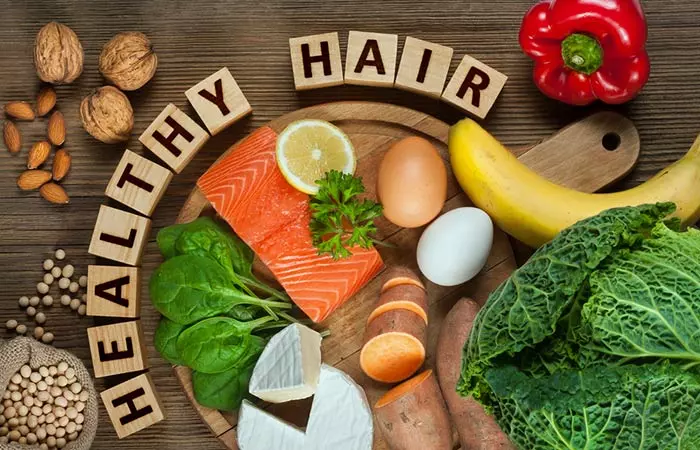
No hair care routine 2026 is complete without addressing nutrition. The hair follicle is one of the most metabolically active structures in the body — it requires specific nutrients consistently to produce healthy, strong hair. When those nutrients are insufficient, growth slows, the hair that does grow is weaker, and shedding increases.
Eggs
Hair is primarily composed of keratin — a structural protein. Protein deficiency directly compromises hair growth rate, strength, and shaft integrity. Eggs provide complete protein alongside B vitamins, iron, and zinc. Specific peptides in eggs have also been shown to stimulate growth at the follicle level. Two to three eggs weekly provides meaningful contribution to your hair’s protein requirements.
Spinach
Vitamin A regulates sebum production — the natural oil that conditions and protects your scalp. Too little produces dryness and flaking; too much creates an oily scalp. Spinach is one of the richest vegetable sources of beta-carotene, which the body converts to vitamin A as needed. A daily handful in salads or cooked in meals provides substantial benefit without the excess risk that supplements carry.
Yogurt
Yogurt provides both probiotics and vitamin B5 (pantothenic acid). Probiotics support gut health, which has an increasingly documented connection to hair quality and growth rate. Vitamin B5 specifically supports hair follicle health. Plain, full-fat yogurt provides the most probiotic benefit — flavored varieties typically contain added sugars that reduce the overall nutritional value.
Red Meat
Iron deficiency is one of the most common nutritional causes of hair loss and premature greying in women, particularly during reproductive years. Red meat provides heme iron — the form most efficiently absorbed by the body compared to the non-heme iron in plant sources. For plant-based diets, pairing non-heme iron sources like lentils with vitamin C significantly improves absorption.
Soybeans and Nuts
Vitamin E is a primary antioxidant nutrient that protects hair follicles from oxidative damage — the cellular stress that contributes to follicle ageing and hair loss. Soybeans, almonds, sunflower seeds, and hazelnuts are excellent sources. A small handful of mixed nuts daily provides meaningful vitamin E without excessive caloric impact.
Water
Scalp health and hair growth are directly affected by hydration status. A dehydrated scalp produces less sebum, becomes more prone to irritation, and creates a less optimal environment for growth. Eight glasses of water daily is the widely cited baseline.
8. Universal Tips That Apply to Every Hair Type
Regardless of where your hair falls on the texture spectrum, these principles apply to every effective hair care routine 2026:
Trim every six to twelve weeks. Split ends travel upward and cause progressive damage that conditioning cannot reverse. Regular trims maintain health and — counterintuitively — support length retention by preventing breakage that would otherwise remove more length than the trim itself.
Do not wash daily. Daily washing strips natural oils from every hair type. One to three times weekly is appropriate for most women depending on hair type.
Avoid excessively tight ponytails and buns. Repeated tension on the follicles causes traction alopecia — gradual, sometimes permanent hair loss at the hairline and temples. Looser alternatives or alternating between tight and loose styles prevents cumulative follicle damage.
Protect from sun exposure. UV radiation damages the hair’s protein structure and causes color fading. A hat, scarf, or UV-protective hair product during extended outdoor time provides meaningful protection.
Use cool or lukewarm water. Hot water opens the cuticle too aggressively and strips more moisture than necessary. A cool final rinse seals the cuticle and adds noticeable shine.
Always use heat protectant. Any heat tool use — blow dryer, flat iron, curling wand — requires a heat protectant spray applied first. This is not optional; it is the barrier between the heat and your hair’s protein structure.
Rosemary oil for growth. Among essential oils with research support for hair growth, rosemary oil is consistently the most cited. Diluted in a carrier oil and massaged into the scalp regularly over three to six months produces noticeable results.
For more on how these principles connect with beautiful hair color choices, our hair color trends 2026 guide is the perfect next read — and for face-shape-specific styling that complements any routine, our best haircut for round face guide applies these principles to specific cut recommendations.
9. Your Weekly Schedule by Hair Type
Here is how a complete hair care routine 2026 looks across a full week for each hair type:
Straight hair:
- 2-3x weekly: Shampoo scalp, lightweight conditioner on ends, volumizing mousse, style
- Between washes: Dry shampoo at roots as needed
- Monthly: Lightweight deep conditioning treatment
Wavy hair:
- 2x weekly: Shampoo, condition, scrunch to define waves, microfiber towel dry
- Night before wash day: Pre-wash oil treatment
- Overnight: Braid for defined morning waves
Curly hair:
- 2x weekly: Sulfate-free shampoo, condition (detangle in shower), curl cream, diffuse
- Alternate days: Co-wash with conditioner only
- Weekly: Deep conditioning treatment (20-30 minutes)
- Daily: Curl-refreshing leave-in spray
Coily hair:
- Weekly: Sulfate-free shampoo, deep conditioning, leave-in, curl cream
- Daily: Moisture spray (leave-in + castor oil + water), gentle wet refresh
- Pre-wash: Hot oil treatment 20 minutes before shampooing
- Nightly: Satin pillowcase or scarf
- Every 6-8 weeks: Refresh protective style
Frequently Asked Questions
What should I avoid in my hair care routine 2026? Limit heat styling and chemical treatments — both cause cumulative damage that conditioning can only partially repair. Avoid over-washing, products with harsh sulfates on dry or curly hair, and styling products formulated for a different hair type than your own.
How often should women wash their hair? Straight or oily hair: every two to three days. Wavy hair: every three to four days. Curly hair: one to two times weekly with co-washing on alternate days. Coily hair: once weekly with daily moisture refreshes between washes.
Which foods actually improve hair quality? Eggs (protein and B vitamins), spinach (vitamin A for sebum regulation), yogurt (probiotics and B5), red meat or iron-rich plant sources (iron for follicle health), and soybeans and nuts (vitamin E for antioxidant protection) have the most direct, evidence-backed impact on hair health.
Is it okay to oil hair daily? No — daily scalp oiling can clog pores and create conditions for scalp infections. Two to three times weekly is appropriate for most hair types. The daily moisture spray used for coily hair (a diluted mixture of leave-in conditioner and a small amount of castor oil in water) is different from direct oil application to the scalp.
Which essential oil is best for hair growth in 2026? Rosemary oil has the strongest evidence base. Diluted in a carrier oil and massaged into the scalp consistently over three to six months produces the most documented results.
Should I comb my hair right after oiling? No. Freshly oiled hair is more prone to breakage under the tension of combing. Detangle before applying oil, then allow it to absorb fully before any combing or styling.
The Bottom Line
The most important truth about building a hair care routine 2026 is that the best routine is not the most expensive or most complicated one. It is the one genuinely aligned with your specific hair type, applied consistently enough to show its full impact — which typically takes two to three months of honest, regular practice.
Identify your hair type. Choose products designed for it. Apply the right techniques for your category. Feed your hair from the inside. Give the routine time.
Your best hair is not behind you — it is what consistent, informed care produces over the months ahead.
Visit dailyjuggar.com for more hair inspiration, beauty guides, and expert style content updated all year long.
Explore more: Hair Care Routine for Women | Hair Color Trends 2026 | Trending Haircuts 2026 | Best Haircut for Round Face | Wolf Cut Hair 2026 | Hair Trends 2026 Women